What Happens When Financial Institutions Expand Their View of Money Laundering Risk?
Frequently Asked Questions
The questions everyone asks first.
Do you publish pricing?
No — every configuration is scoped to your users, volumes, and workflows, so a published rate card wouldn’t tell you much. This page exists so you know exactly how buying works before a conversation, and the form above gets you a real number quickly.
Can we start small?
No — every configuration is scoped to your users, volumes, and workflows, so a published rate card wouldn’t tell you much. This page exists so you know exactly how buying works before a conversation, and the form above gets you a real number quickly.
If we buy a solution, do we get the applications?
No — every configuration is scoped to your users, volumes, and workflows, so a published rate card wouldn’t tell you much. This page exists so you know exactly how buying works before a conversation, and the form above gets you a real number quickly.
How do we contract?
No — every configuration is scoped to your users, volumes, and workflows, so a published rate card wouldn’t tell you much. This page exists so you know exactly how buying works before a conversation, and the form above gets you a real number quickly.
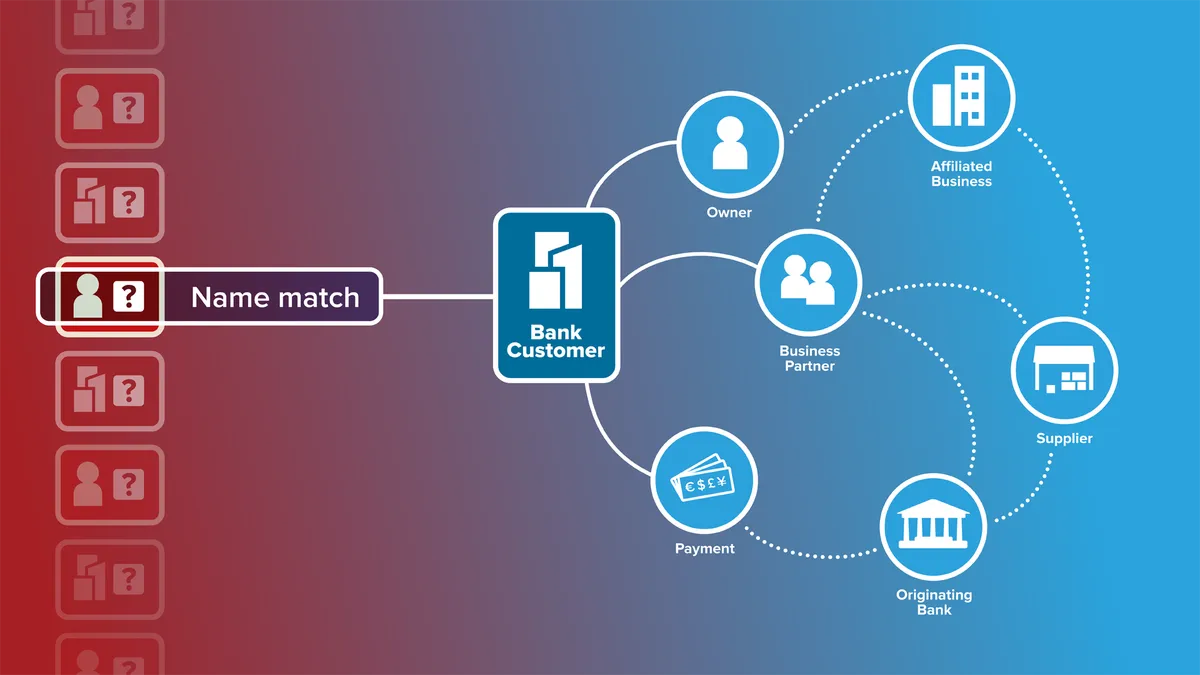

Find the Risk Before It Reaches a Watchlist
Quantifind and FinScan are bringing AI-powered adverse media intelligence directly into AML screening workflows—helping compliance teams uncover hidden risk faster, reduce investigative noise, and make more confident decisions.